It’s amazing that the sustainability-transition gets more and more followers. In spite of the growing momentum, a lot of mental energy can be wasted. The spectrum of problems is wide, the strategies are complex and the solutions are diverse. If it doesn’t immediately put you off then, it isn’t unlikely that you will meet dissolution or burn-out along your path.
How to become constructive with our commons and addictions
“The midnight blurred line” questioned why we allow our commons to be destroyed and “Do we have the courage to face the realities of our time?” pointed out that maybe it is –addiction- that is blocking us from becoming constructive with our commons. This blogpost will look at what causes addiction and how we can become constructive from our destructive behaviour.
Do we have the courage to face the realities of our time?
Addictions leave trails of destruction and need to be stopped and healed on time. On a small scale it is easy to identify an addiction. We can label it to marginalised individuals or a dodgy neighbourhoods. If we zoom out onto a larger scale it can be harder to recognise and acknowledge societal wide addictive behaviour.
The midnight blurred line
Spend an extended time in the UK or Scandinavia as a non-smoker and it’s easy to forget that smoke plumes once occupied our in-door commons. But in some countries where smoking is banned like Belgium, people systematically continue to smoke where it is prohibited. In 2013, one in four of checked bars were in violation with the smoking ban. Maybe the banning process wasn’t constructive enough or maybe the general public allows hard addicts to cultivate a culture of constant micro-renegotiation.
Innovation by a Circular Economy – insights from the Resource Event
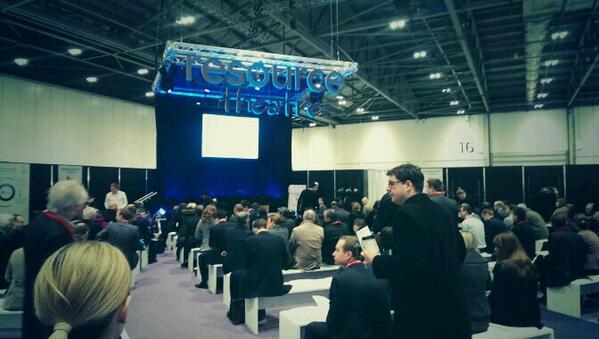
Last week, players of the circular economy gathered in London for the resource event. The circular economy is a reaction to the current linear model that goes from extraction to production, use and ends with disposal. It aims to create an economic model that benefits from keeping materials in use. The players come from diverse backgrounds going from design, academia, investment, policy making, resource management, material experts, manufacturing, branding, to experts in consumers interests. Here are some insights from the event.
From Smartphones to Wisephones
The importance of electronic equipment in our lives is growing rapidly. They become smarter and smaller, but the problems around material usage, production and e-waste continue to grow. It’s a problem that is of concern to all of us. Product innovation and a transition to a circular economic model are paramount. Will we as consumers wait until the ideal product comes to market, or can we all start making this transition today?
 Merel Claes